Understanding Invasive Plants: A Must-Know for Every Indiana Homeowner

Invasive plants pose a serious threat to Indiana’s natural environment and homeowners’ properties. These aggressive species can quickly take over gardens, yards, and local ecosystems, causing damage that is costly and difficult to reverse. For Indiana homeowners, understanding invasive plants is essential to protect property value, maintain healthy landscapes, and support local biodiversity.
This post explains what invasive plants are, why they matter in Indiana, how to identify common invasive species, and practical steps homeowners can take to manage and prevent their spread.

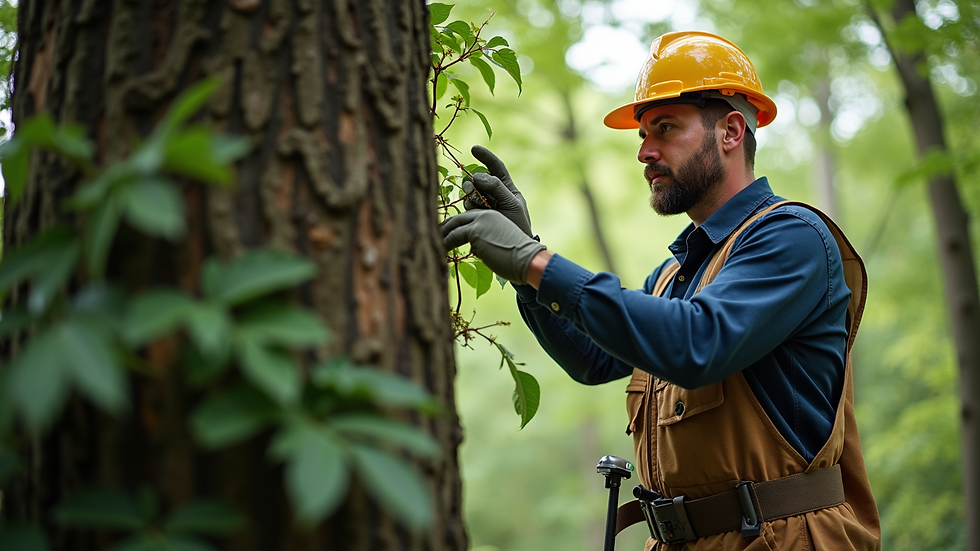
Dense invasive bush overtaking native garden in Indiana
What Are Invasive Plants and Why Do They Matter?
Invasive plants are non-native species introduced to an area that spread rapidly and cause harm to the environment, economy, or human health. Unlike native plants, invasive species often lack natural predators or controls, allowing them to dominate landscapes.
In Indiana, invasive plants threaten native flora by competing for sunlight, water, and nutrients. This competition can reduce biodiversity, disrupt wildlife habitats, and alter soil chemistry. For homeowners, invasive plants can damage lawns, gardens, and trees, leading to costly maintenance and reduced property appeal.
Understanding invasive plants helps homeowners:
Protect their yards and gardens from damage
Support local ecosystems and wildlife
Avoid costly removal and restoration efforts
Common Invasive Plants in Indiana
Several invasive plants have become widespread in Indiana. Recognizing these species is the first step toward effective management.
1. Bush Honeysuckle (Lonicera maackii)
A fast-growing shrub that forms dense thickets
Outcompetes native plants by shading them out
Produces berries that spread easily by birds
2. Japanese Knotweed (Fallopia japonica)
Perennial plant with bamboo-like stems
Grows aggressively along waterways and roadsides
Difficult to eradicate due to deep root systems
3. Garlic Mustard (Alliaria petiolata)
Biennial herb with heart-shaped leaves and white flowers
Releases chemicals that inhibit growth of native plants
Spreads quickly in shaded forest areas
4. Multiflora Rose (Rosa multiflora)
Thorny shrub with clusters of white flowers
Forms impenetrable thickets that crowd out native plants
Originally introduced for erosion control and wildlife habitat
5. Tree of Heaven (Ailanthus altissima)
Fast-growing tree with large compound leaves
Produces chemicals toxic to other plants
Thrives in disturbed soils and urban areas
How Invasive Plants Spread in Indiana
Invasive plants spread through several pathways:
Birds and animals eat berries and disperse seeds
Wind and water carry seeds to new locations
Human activity such as landscaping, gardening, and construction moves plants or seeds unintentionally
Garden escapes occur when invasive plants planted for ornament or erosion control spread beyond intended areas
Understanding these pathways helps homeowners take targeted actions to prevent spread.
Identifying Invasive Plants on Your Property
Homeowners should regularly inspect their yards and nearby natural areas for signs of invasive plants. Key identification tips include:
Look for dense, uniform patches of a single plant species
Check for plants growing aggressively in places where native plants struggle
Note unusual leaf shapes, flowers, or berries that don’t match common native species
Use local extension services or invasive species guides for accurate identification
Taking photos and comparing with trusted resources can help confirm suspicions.
Practical Steps to Manage Invasive Plants
Once invasive plants are identified, homeowners can take several steps to control or remove them:
Manual Removal
Pull or dig out small infestations, ensuring roots are removed
Cut back shrubs before they produce seeds
Dispose of plant material carefully to avoid spreading seeds
Chemical Control
Use herbicides approved for specific invasive species
Apply treatments during active growth periods for best results
Follow label instructions carefully to protect native plants and pets
Preventive Measures
Plant native species that compete well with invasives
Avoid planting known invasive species in gardens
Clean tools and equipment after working in infested areas
Mulch garden beds to suppress weed growth
Seek Professional Help
For large or difficult infestations, consider hiring licensed professionals
Local conservation groups or extension offices may offer assistance or advice
Supporting Indiana’s Ecosystem by Fighting Invasive Plants
Managing invasive plants benefits more than just individual properties. Healthy native plant communities support pollinators, birds, and other wildlife essential to Indiana’s environment. By controlling invasives, homeowners contribute to cleaner waterways, improved soil health, and stronger natural habitats.
Community efforts such as invasive species removal events and educational programs also help spread awareness and protect shared green spaces.
Understanding invasive plants is a critical step for Indiana homeowners to protect their properties and the environment. By learning to identify common invasive species, taking action to control them, and supporting native plants, homeowners can maintain beautiful, healthy landscapes that benefit both people and wildlife.
Take the first step today by inspecting your yard for invasive plants and reaching out to local resources for guidance. Protecting Indiana’s natural heritage starts with informed homeowners like you.


Comments